Home
›
News
Keeping Children Safe from Face-Swap Porn Apps04.10.2026 A casual photo posted on a Saturday night is no longer just a memory shared among friends. For a growing number of teenagers, that innocent selfie becomes the raw material for a face-swap application. The resulting synthetic media—often explicit—is then circulated among peers or sold online. Tackling this specific threat requires a shift in how guardians approach online safety: generic web filters miss the point when the danger stems from misusing a child's own digital https://slygen.ai/features/enhance footprint.
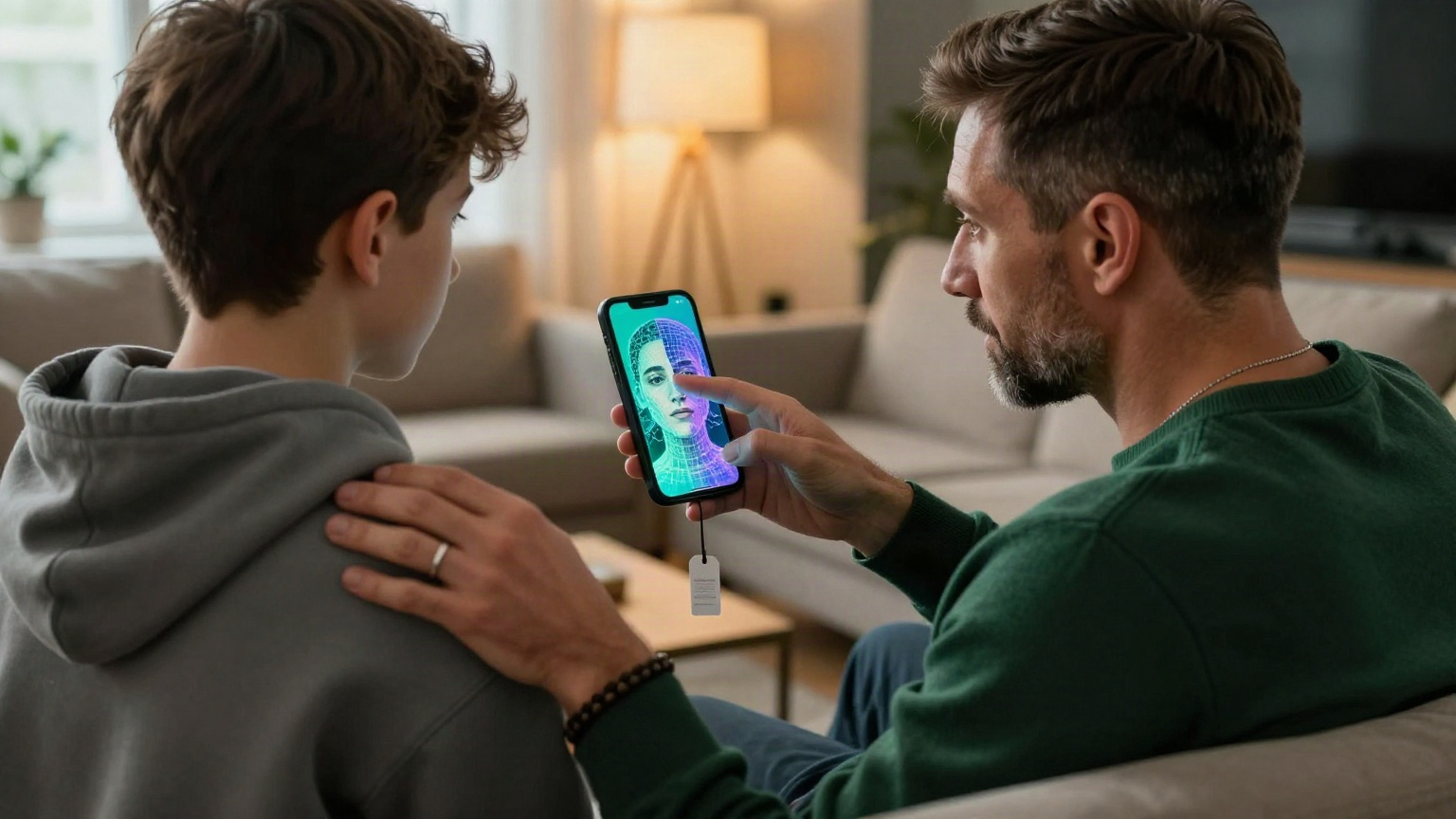
The specific threat of face-swap apps
Face-swap technology has dropped dramatically in price and complexity. What once required expensive software and specialised skill now runs on a standard smartphone app. These tools map a source face—your child's—onto existing explicit video or imagery. The result looks convincing enough to deceive a casual viewer, especially other teenagers who might not question a viral image shared in a group chat.
Because the victim’s actual body is not shown, legal recourse can be complicated. The imagery is technically fabricated, which creates loopholes in some jurisdictions. The psychological impact stems from the perceived realism and the intense social violation of seeing one's likeness attached to explicit acts. This is not standard unwanted content; it is a targeted weaponisation of identity.
Restricting the supply of images
Face-swap apps need source material. The most effective preventative measure is reducing the availability of clear, high-resolution face images. This does not mean deleting every photo a teenager has ever taken; it means adjusting the audience and the visibility of their digital presence.
Essential privacy checks
Set social media profiles to private. This applies primarily to image-centric platforms like Instagram, TikTok and Snapchat. A private account restricts image access to approved followers, making it harder for automated scrapers or malicious actors to harvest pictures.
Review tagged photos. Ensure friends, family, and sports clubs are not posting publicly accessible pictures of the child. A seemingly harmless team photo on a public club website is prime material for a scraper.
Optional but helpful steps
Limit profile pictures. On platforms like WhatsApp, Discord, or school networks where profiles might be visible to wider groups, suggest using an avatar, a logo, or an image where the face is partially obscured or at a distance.
Audit old accounts. Many teenagers have abandoned accounts on older platforms. Log in and delete or set these to private. Forgotten accounts are often set to public and sit undisturbed, providing a quiet stream of images.
Explain the logic to the teenager. Framing privacy settings as a technical control rather than a punishment makes cooperation far more likely. "We are making your photos harder for strangers to download" is a concrete, logical reason they can understand and apply themselves.
Device-level checks and controls
While content filters are blunt instruments, operating system controls offer useful guardrails. The goal is not to spy, but to prevent the installation of apps known for deepfake or face-swap capabilities. Many of these are flagged under "entertainment" or "photo editing" categories in app stores, making simple blacklists unreliable.
iOS restrictions
Use Screen Time’s Content & Privacy Restrictions. Navigate to the App Store section and limit app installations to age-appropriate ratings. Blocking the 17+ category eliminates the majority of face-swap tools from being downloaded. You can also require a parental passcode for any app installation, giving you direct veto power.
Android restrictions
Use Google Family Link. Review app permissions and block apps from unknown sources (sideloading). Sideloading—installing an app via an APK file rather than the Play Store—is a common way these niche, policy-violating apps are distributed. Family Link allows you to approve or deny app downloads on the child's device remotely.
These measures are not foolproof. A determined older teenager can bypass device controls, use a web-based tool on a shared computer, or simply access the app on a friend's phone. Treat device restrictions as a baseline friction, not an impenetrable wall.
Conversations that matter more than software
Technical blocks fail eventually. The durable defence is a conversation about digital consent and the reality of image manipulation. Avoid lecturing about the inherent dangers of the internet; instead, discuss the mechanics of these apps in a matter-of-fact way.
Explain that anyone can be targeted, and that having a photo manipulated is never the victim's fault. This distinction is critical. Teenagers often blame themselves if their images are misused, assuming they "shouldn't have posted that selfie" or "shouldn't have worn that outfit". Reassure them that the fault lies entirely with the creator of the fake content. The victim did not consent to this use of their likeness.
Discuss the concept of a "digital footprint" as a data source, not just a social scrapbook. Help them evaluate a photo before posting by asking a practical question: "If someone downloaded this, would you be comfortable with them altering it?" If the answer is no, the picture is worth keeping in a private album instead of a public feed.
Responding if an image is misused
If a teenager reports that a face-swapped image of them is circulating, the immediate response sets the tone for their recovery. Panic reinforces shame; calm, methodical action restores a sense of control.
Practical steps for takedowns
Preserve evidence before reporting. Take screenshots, note URLs, and record the usernames of those sharing the material. This is essential for any platform takedown request or police report. Once you report the image, the platform may remove it, destroying the evidence you need.
Report to the platform. Most major social networks have specific policies against non-consensual explicit imagery, including deepfakes. Use the platform’s dedicated reporting channel for intimate image abuse rather than generic harassment or bullying categories.
Involve the school if the circulation is peer-to-peer. Schools have safeguarding duties and can address the social dynamics and disciplinary aspects that software cannot reach. Provide them with the evidence you have collected.
Contact local law enforcement if the material is being sold, hosted on dedicated sites, or distributed widely. Even if prosecution is difficult, creating a formal record matters for potential future action.
Providing emotional support
Validate their feelings. It is deeply violating to have one's identity stolen in this way. Avoid minimising the event by saying "it is just a fake picture"—to the teenager, it feels real, and their peers treat it as real. Connect them with professional counselling if they show signs of withdrawal, anxiety, or school refusal.
Moving forward with realistic expectations
It is impossible to guarantee that a child’s image will never be scraped or misused. The internet is too vast, and the tools too accessible. The objective is to minimise the probability by shrinking the available source material, and to maximise resilience by ensuring a teenager knows they have unconditional support if the worst happens. Focus on the controls that actually work—privacy settings and device restrictions—and invest the most time in the conversation that underpins them. A pragmatic approach accepts the risk, mitigates it where possible, and prioritises the child's wellbeing over an unattainable guarantee of total safety.
[ return to top ]
|


